Pampers and Paklava

  • Home
  • Photography
  • Travel
  • Food
  • Garden
  • Contact

My favorite things: Armenian lavash

April 5, 2016 by Beth Shepherd

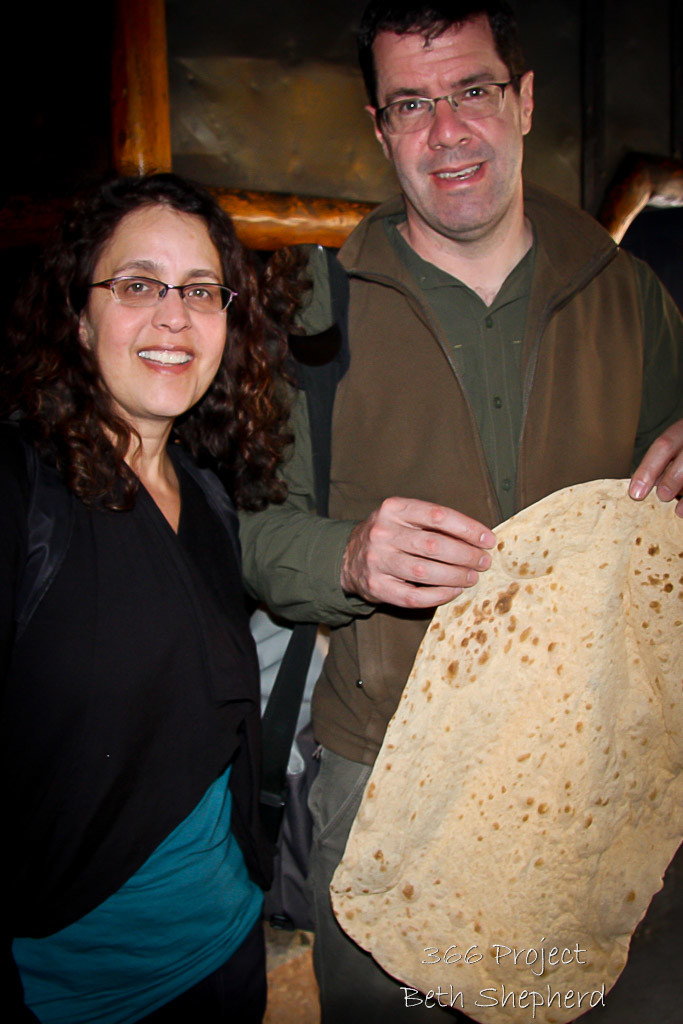
There’s lavash and then there’s Armenian lavash, I’ve tried several versions in the U.S. and they are a poor substitute for the real deal, more like a tortilla than true lavash. Armenian lavash is crisp and bubbled on top, soft and flaky in the middle. And Armenian lavash straight from the tonir (clay oven), is just this side of heaven. Four years ago, when we were on our court trip to adopt our daughter, we visited a restaurant in her hometown of Gyumri, called Cherkezi Dzor. There we saw lavash being made. And, we got got to try some just after it came out of the tonir. I will never forget how amazing that lavash tasted.
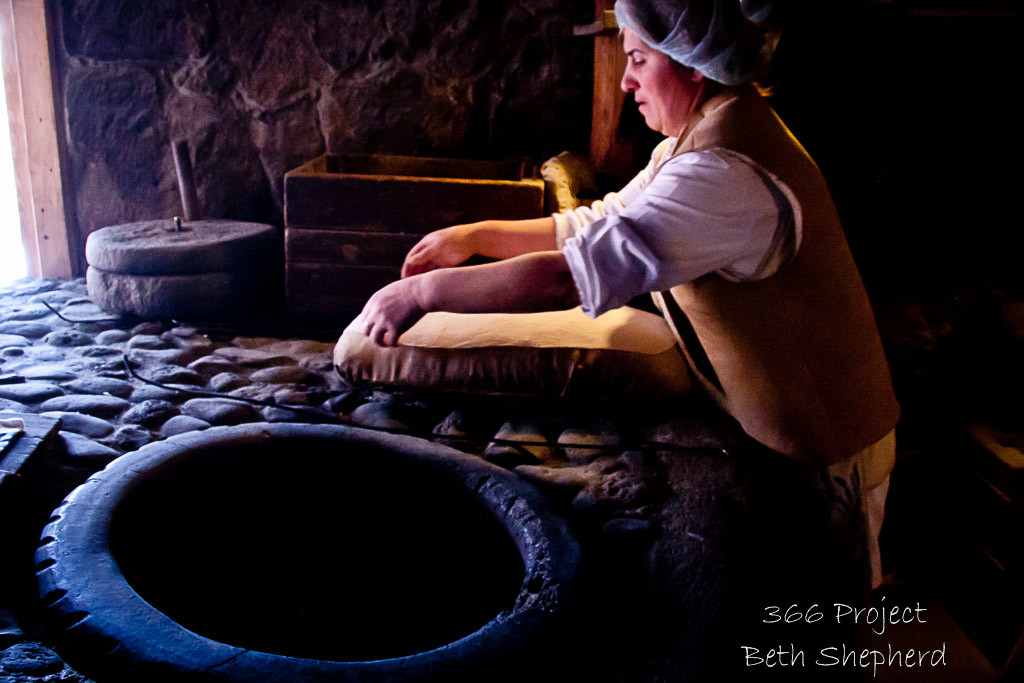
Armenian lavash

lavash cooking

lavash in tonir (clay oven)

cooked lavash

Armenian lavash

It’s all about the journey,

Beth

Filed Under: Armenia, Food Tagged With: lavash

Favorite things: The Seine in Paris

April 2, 2016 by Beth Shepherd

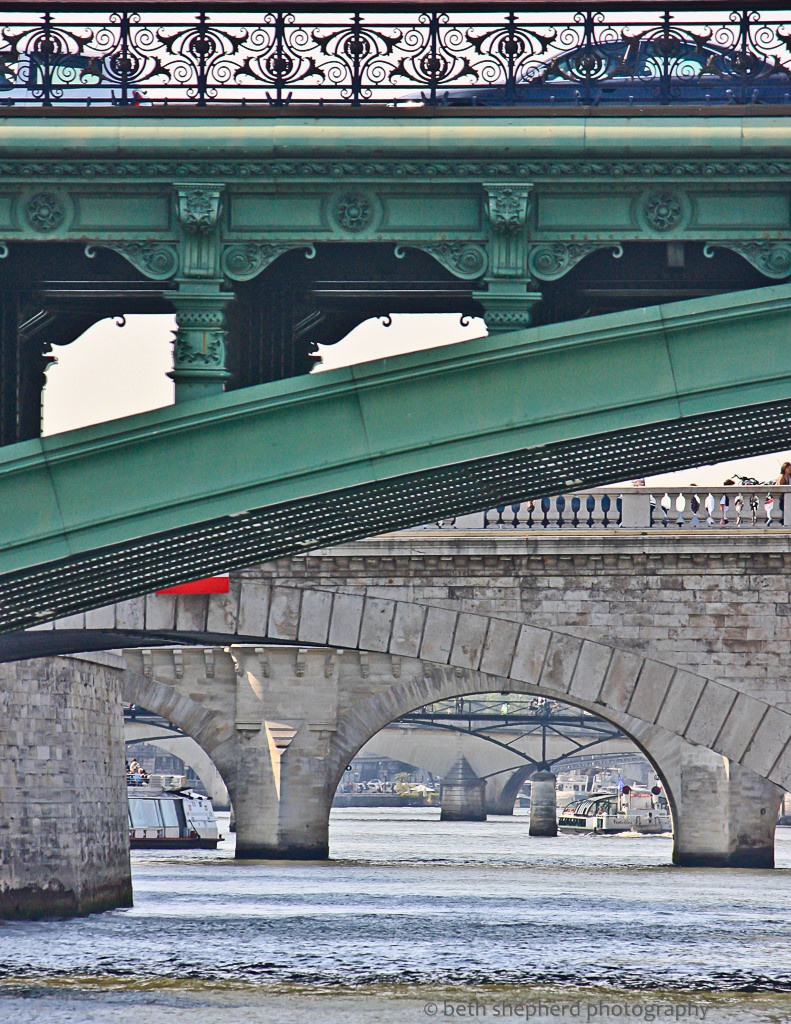
Sunny, cloudy, sunrise or sunset, I’m sure I’ve never seen a more beautiful urban river than the Seine, the je ne sais quois of stroll along its banks.

Seine in Paris

Paris Seine

Bridges of the Seine River

Sunset on the Seine River

It’s all about the journey,

Beth

Filed Under: Paris Tagged With: Seine

Five unique things to do with kids in Paris

March 31, 2016 by Beth Shepherd

Ride a hot air balloon? Jump on trampolines? In Paris?! Everyone knows Paris is the city for lovers, but you might be surprised to find out Paris is also a great city to explore with kids. You can always enjoy the classics: checking out the view from the Eiffel Tower, eating ice cream at Berthillon and gliding along the Seine on the Bateaux Mouches, but there are also few unique adventures that can be found in the City of Light. Here are four:

Jump to your heart’s content on trampolines in the Tuileries

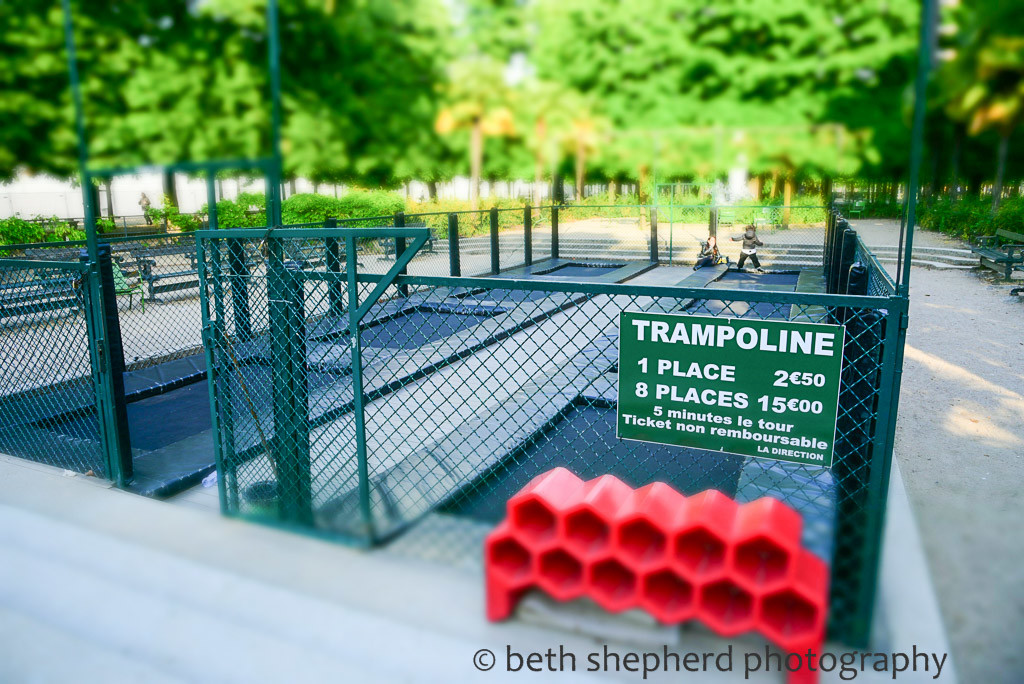
Paris trampline

If you have kids, the trampolines are one of the Tuileries best kept secrets. They are located at the end of the park closest to the Place de la Concorde entrance, Rue Rivoli side. I went to the Tuileries many times before I finally saw them. They are a fantastic place to take your kid and blow off some steam (Adult tip: cafes with wine not far away). Each five minutes on one of the six very springy trampolines costs 2.50 €. There is also a pretty fabulous playground in the park.

Look down at the Eiffel Tower from a hot air balloon in Parc André Citroën

Parc André Citroën hot air balloon

Parc André Citroën is a public park located on the left bank of the river Seine in the 15th arrondissement of Paris. It is a bit out of the way but worth, because if the air is calm you can go for a ride in a hot air balloon. Balloon de Paris is not just any hot air balloon. It’s the biggest hot air balloon in the world! You get a unique bird’s eye view of the Eiffel Tower and all of Paris. Flights depend on weather conditions, so contact Ballon de Paris on the day of your visit. You can check out their website where they give weather conditions and let you know if you can go up in the balloon that day: www.ballondeparis.com or  +33 1 44 26 20 00. Prices: Adult €12, Children (3-11) €6, Children under 3 ride free.

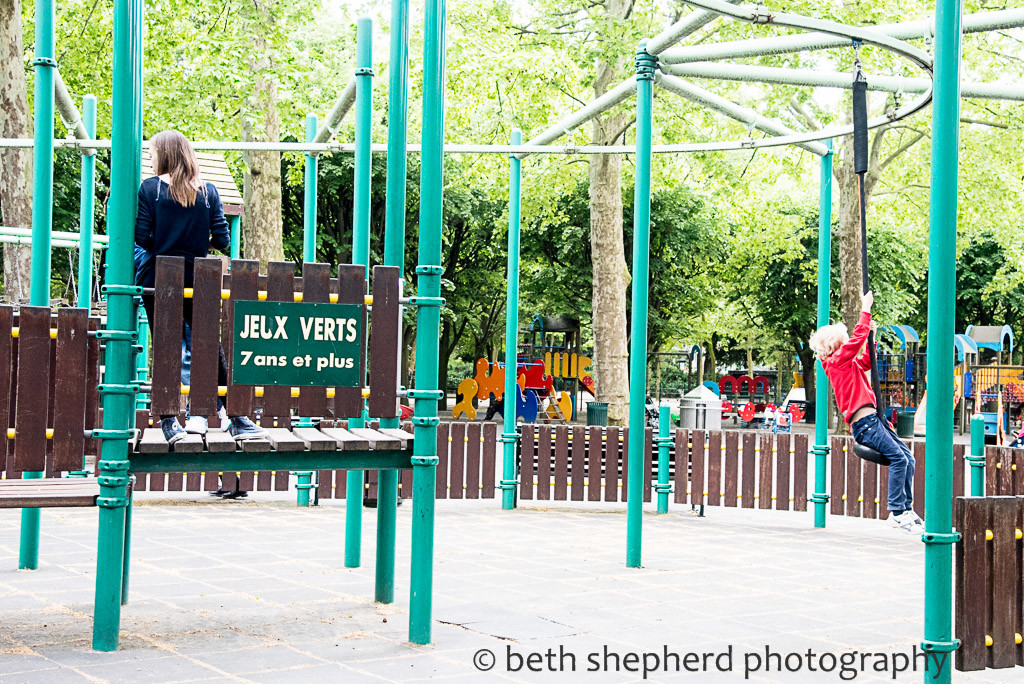
 Fly though the air on a zip-line in Jardin du Luxembourg

Zipline in Paris

Jardin du Luxembourg is one of my favorite gardens in Paris. Located between Saint-Germain-des-Prés and the Latin Quarter, the gardens were built in the 1620s for Marie de Médici, Henri IV’s consort, because she was homesick for the Pitti Palace in Florence, where she had spent her childhood. Beautiful states, lawns, chestnut groves  and the Fontaine de Medici aside, the garden also has an amazing children’s playground–Parc de Jeux–with one of the coolest zip-lines I’ve ever seen.

They do charge an entry fee (so worth it!): 2.60 € for kids over 18 months, 1.60 € for adults. The playground has it’s own toilets and covered seating area, and you can purchase drinks and snacks at the entrance as well. Parc de Jeux is located next to the Les Marrionettes du Luxembourg puppet theater and also one of the oldest carousels in the city. Be forewarned, Parc de Jeux does close promptly at 4:00 p.m. on weekdays.

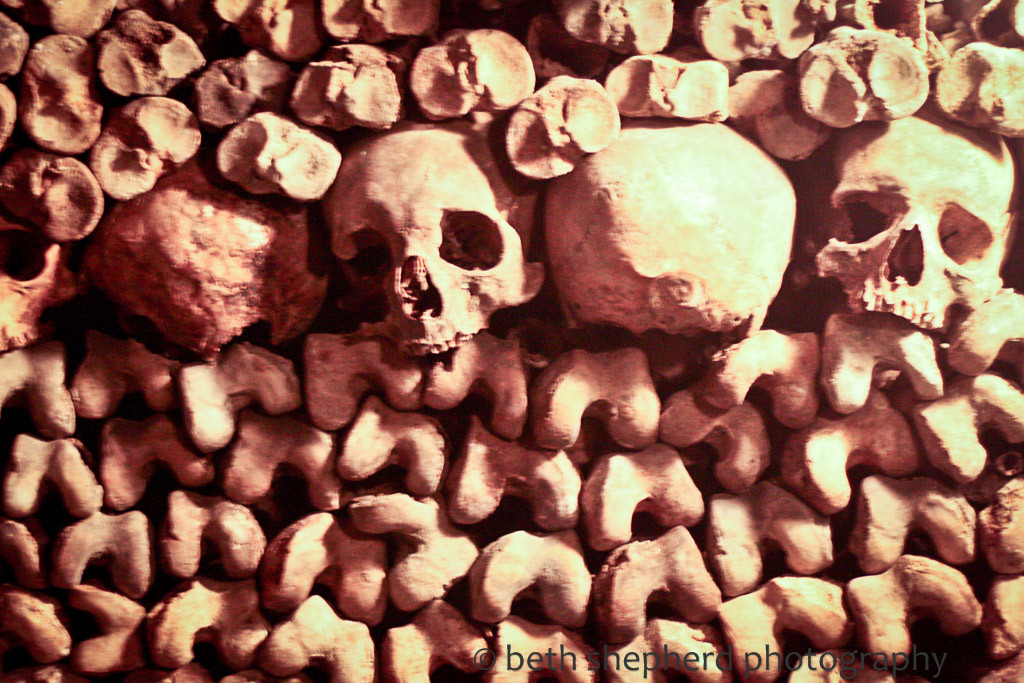
Get creeped out looking at skulls in Les Catacombes

Skulls in Les Catacombes

Want to go underground in Paris? Hang out with the bones of 6-million Parisians–now dead? If this sounds like it’s right up your kid’s creepy alley, then head over to Les Catacombes in the 14th arrondissement. Walking through the dark subterranean passages, you’ll learn fascinating–if not macabre–tidbits about the history of Paris and how this labyrinth of tunnels became the graveyard for millions of Paris’s former residents.

Kids under 18 are free but since lines can get very long, you might want to consider booking online. Make sure you print your tickets with the bar code before you go, otherwise you won’t get in. Not for young children or anyone with claustrophobia. Also no flash allowed so bring a camera with high ISO!

Pretend you’re a Roman gladiator at Arènes de Lutèce

Roman ruins in Paris

Arènes de Lutèce is really cool. Hardly anyone, even Parisians, know about it, partly because it’s hidden in the 5th arrondissement. And I mean really hidden. The arena is semi-concealed by a few large apartment buildings situated around it. You could easily walk by the main entrance without noticing it. I did.

There are actually three different entrances but the easiest one to find is on Rue Monge. The entrance is at number 47 (on the left as you’re walking uphill on Rue Monge). You will think you’ve arrived at the entrance to one of the apartment buildings until you see the big cement gladiator helmet looming over the doorway. You found it!

Arènes de Lutèce has a long history (literally). The amphitheater was erected in the 1st century but then destroyed during invasions of the 3rd century. It was rediscovered in the mid-1800s when Rue Monge opened and the site of  the site of the arena was uncovered by demolition work. But it wasn’t until 1917 that it was restored to its current state.

I’ve been to Arènes twice and it was quiet–a great place to eat your baguette and cheese while your kids run around. Occasionally you’ll find a children playing soccer, men flying kits or engrossed in a game bocce ball or a few people sitting on the stone bleachers. If you think you might enjoy a non-touristy spot with a history that dates back to the 1st century A.D., this is your place. Plus, how often do your kids get to pretend they’re gladiators in a real 2,000-year-old Roman arena?!

It’s all about the journey,

Beth


Filed Under: Paris, Things to do with kids

Dyeing Easter Eggs

March 26, 2016 by Beth Shepherd

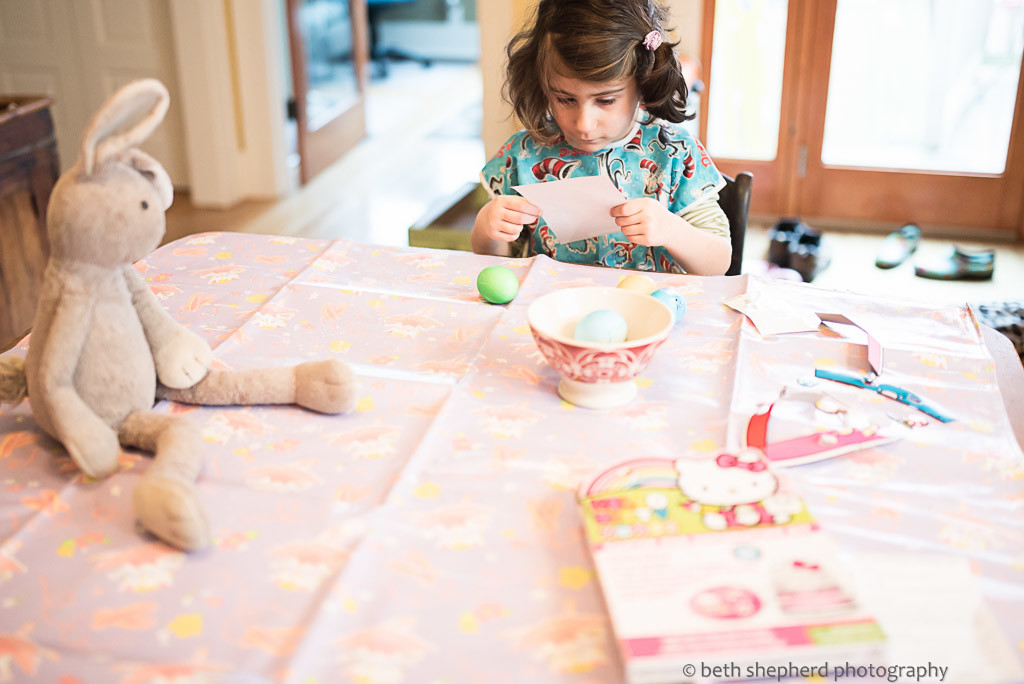
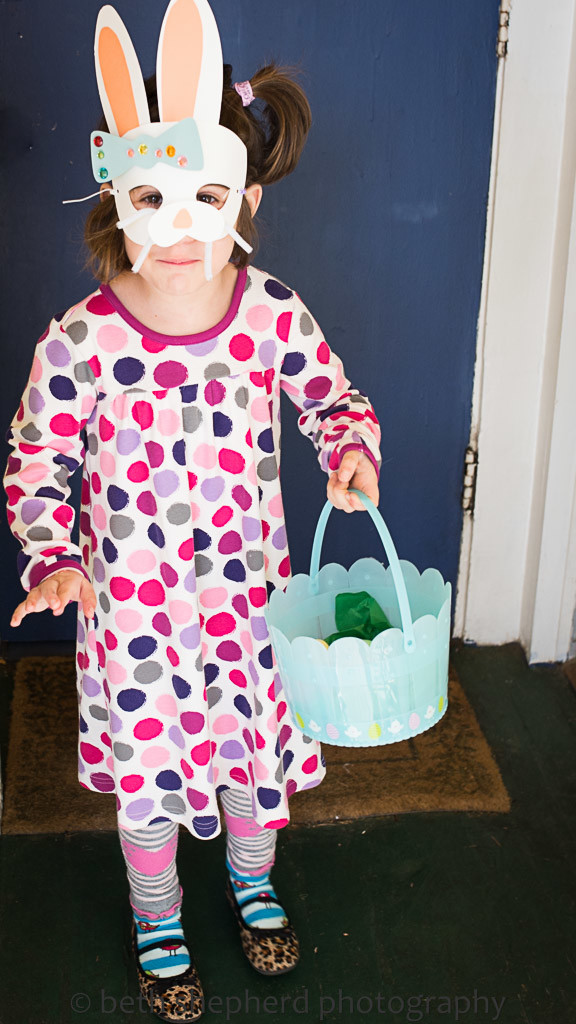
Our daughter dyed Easter eggs for the first time this week. Her BFF ‘Bunny’ was her faithful art project companion. He helped choose colors and pick out stickers, and sat beside her while she dyed her eggs and decorated them. Voila! Five ‘Hello Kitty’ Easter eggs. And then, of course, she ate one.

Dying Easter eggs

Decorating picks out stickers

Decorating Easter eggs

Decorating eggs

Finished eggs

HAPPY EASTER!

May the Bunny treat you well.

Easter Bunny

It’s all about the journey,

Beth

Filed Under: Family, Holiday

Leap of faith: Our family turns 4

March 22, 2016 by Beth Shepherd

Four years ago we took a huge leap of faith, and on March 22, 2012, a judge in Gyumri, Armenia granted us permission to adopt an 11-month-old girl. With that decision, our long journey to become parents was over. But…another adventure had just begun. When we went to the orphanage to hold her–our daughter now–it’s hard to describe the emotions we felt. Relief that the angst of the past four years was  behind us. Elation at finally being parents. Fear because we were–gulp–parents. Now it was our job to keep her alive.

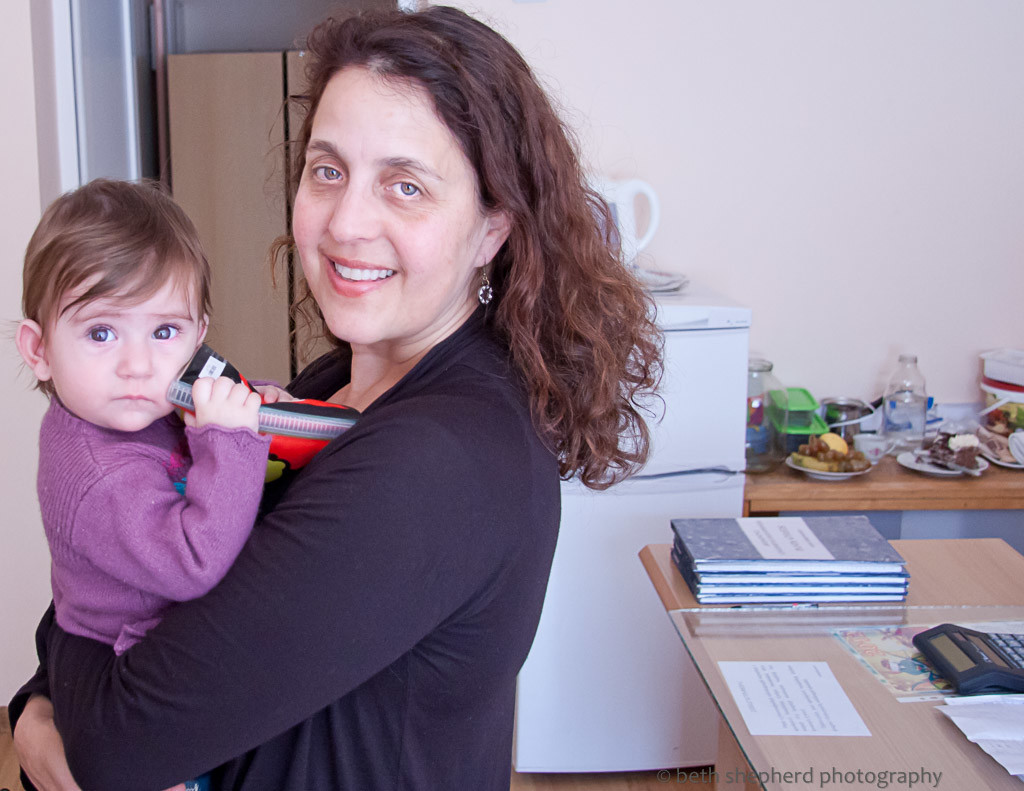
First day as a mom in Armenia

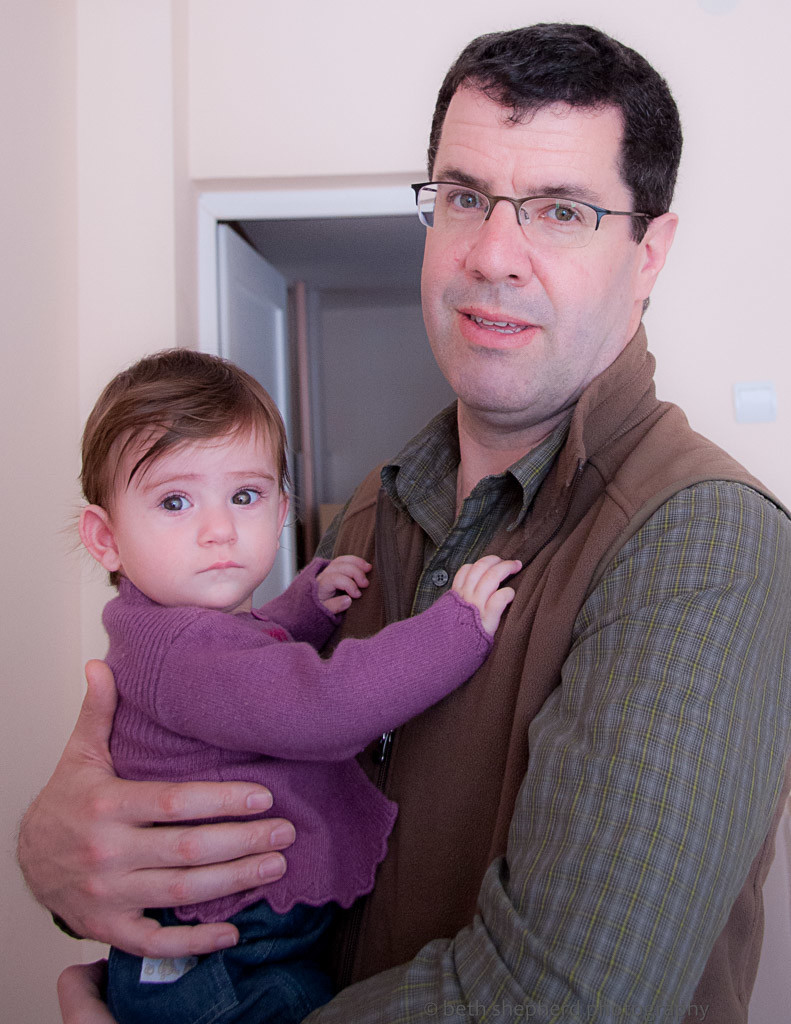
First day as a dad in Armenia

Over the past four years we’ve learned a lot about how to care for a child, our child at least. We’ve also learned a lot about ourselves. We’ve laughed, cried and screamed. There have been awesome days, and days when we feel like this was the stupidest mid-life crisis ever!* Parenthood has been an adventure like no other.

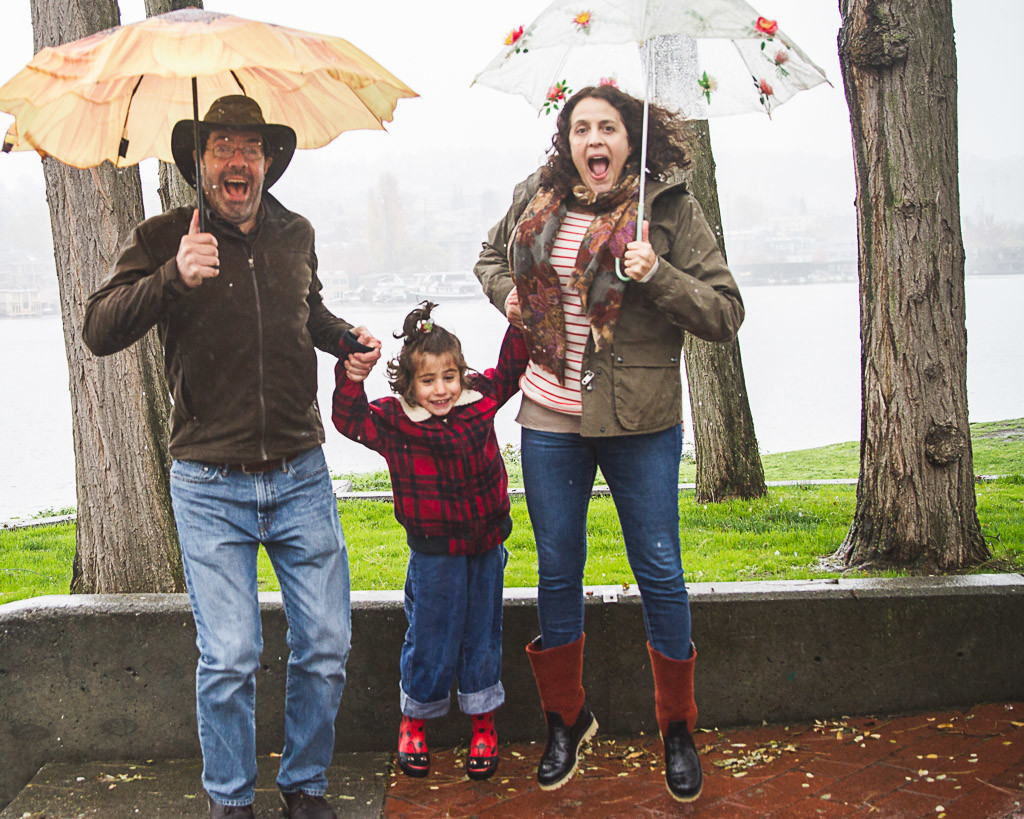
Happy Family Day to us!

Leap of faith

It’s all about the journey,

Beth

*Thank you, Megann, for this pearl. Spot on!

And thank you to Weeone Photography for the photo of the three of us!

Filed Under: Adoption, Armenia, Family Tagged With: Gyumri

International Adoption: 10 things I didn’t expect

March 17, 2016 by Beth Shepherd

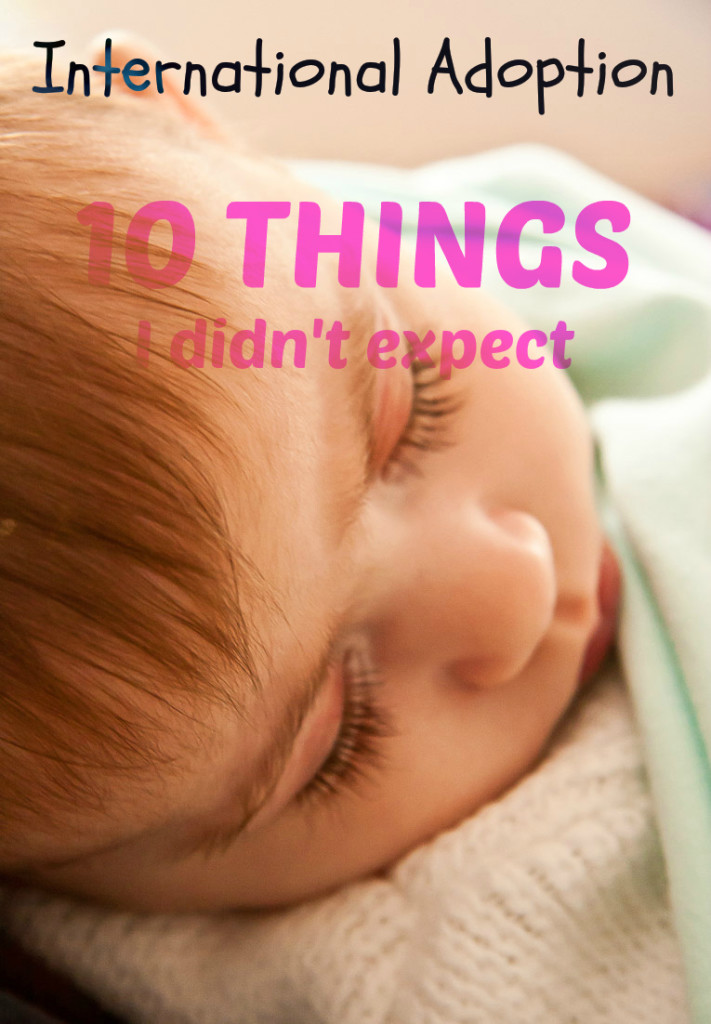
International Adoption things I didn't expect

Eight years ago, when we decided on international adoption, I had expectations about how things would go. And you know what? To say our adoption journey didn’t go as planned, is an understatement. Here are 10 things I didn’t expect.

We might not get a child: We investigated domestic adoption first, met with a couple adoption attorneys and spoke with one open adoption agency in our city. In each case we were dissuaded from adopting domestically due to our ages and the fact we’d only been married for one year. We were told that birth mothers would be more likely to choose adoptive parents who could demonstrate a long relationship history. I’d also heard several heartbreaking stories of prospective adoptive parents whose adoptions fell through at the last minute, on one occasion several days after they’d taken custody of the child.

So we decided to pursue international adoption. When we started out, I remember saying, “Well, the road might be long, but in the end we’ll be parents.” I’d never known anyone who adopted internationally have an adoption (or even a referral) fall through. Until us. One trip to meet a child with significant special needs who we decided to pass on, one disrupted referral, one referral that never became official, two trips to register a child only to have that adoption fall through ten days before our court trip. We made a total of five trips before we brought home our daughter. Although our story was “a first” for our adoption agency I have now heard a number of stories (all involving different agencies and countries) where adoptions were disrupted, or where the prospective adoptive parents had to travel multiple times before finalizing an adoption and bringing a child home. Which brings me to…

“Scope creep”: Whenever you tackle a home improvement project, everyone warns you it will cost more and take longer than you expect. The same is true for international adoption. Granted, our adoption took MUCH longer than we (or anyone else) expected but, in general, the trend for international adoption is longer wait times and greater expense–in part because you end up needing to renew many of your documents, and your dossier, as you wait–sometimes for more than five years–just to receive a referral.

Creating, and renewing, a dossier costs a lot of money. Our dossier was made up of two dozen documents. Each document needed to be notarized and then apostilled by our secretary of state, to the tune of $25 per document. You can read more about the “ABCs” of apostilles (for any state) here. There were fees to a social worker for our home study, fees to our adoption agency, fees to obtain police and FBI clearance, acquire “vital records” (birth certificate, marriage certificate among others. And there were also fees to apply for permission from our government to adopt.

Any time I hear someone say (to a woman struggling with infertility) “Well…you can always just adopt,” I cringe. There is no such thing as “just adopting.”

Attachment might be difficult: I can’t tell you how many people, including our social worker, told us “Your baby will be less than one-year-old when she comes home. Attachment will go smoothly.” But it didn’t.

My first clue something was amiss was when my daughter took the hand of a complete stranger at a park…and walked off. Then she started climbing into the laps of other adults while rejecting us, me in particular. We started to become concerned, in part because her behaviors indicated she was having a difficult time attaching to us, and also because we worried for her safety.

We also made a big mistake in our first weeks together as a family. Our daughter toured around strapped mostly to my husband, a mistake we made because we’d heard adopted kids more frequently reject their father. So we figured we’d offer her more closeness to Dada up front. And it backfired. Because then she had trouble attaching to me (and had a very anxious attachment to him).

We made some other mistakes too. For our first day home, weeks, maybe even months, we should have been the only adults to touch or hold our daughter. Even close family members should have been held at bay until our daughter really caught on to the idea that we were her primary caregivers. We were the ones, the only ones who she should come to for affection. But we have wonderful, supportive, loving family members who we asked to help us out. And boy did we need help, especially that first night home after being up for 36 hours straight, on planes for 16 of those hours, with a 12 hour time difference…and we were sick. In retrospect, we now think we probably should have “manned up,” with a lot of Tylenol and good coffee, and flown solo as parents for awhile, difficult as it would have been.

So how have we worked through all of this? We sought the support of an amazing attachment therapist. I now know our daughter’s struggles with attachment are not atypical for an adopted child, even one adopted as young as our daughter. I also understand that because she had eight nannies who cared for her on rotating shifts, her needs were not immediately met. In her mind, the “moms” could not be trusted to be there when she needed them. Whichever nanny was watching her was certain to leave and be replaced by another. So rejecting the “one you’re with” but charming the one who might be your “mom” next was her way to protect against rejection and assure her someone new was lined up.

And, having sought out medical and psychological professionals, we now also know our daughter has ADHD, which probably explains some of her challenges with snuggling and being held. She simply could not stop moving. The kinds of comfort we wanted to offer, were uncomfortable for her.

In the two years we’ve spent in therapy, our daughter’s attachment to us has strengthened significantly. She knows more about how to be a “family girl,” and is less likely to be inappropriately affectionate with people outside our immediate family and a few trusted caregivers. As a mom, I still worry about the risks she might take as she grows up, but I am more confident we have the tools now to help her make safe choices.

Attachment might be a difficult–for us: Wow. This one really threw me. I’d longed to be a mom and have a child. My husband and I spent years in what turned out to be one of the most difficult journeys to adoptive parenthood I’ve heard of. Here I was with a child. A really cute, smart and charming child. Everyone who met our daughter adored her. How could I not be totally gaga in love with this child–my child? What was wrong with me? I felt so much fear and guilt and anger at myself. Sure, I’d taken the pre-adoption courses, read books and blogs about how attachment is a two-way street yet I never, ever–even for a brief moment–imagined this might happen to me. But it did.

Once again, thank goodness for a good therapist–mine. And a few adoptive mom friends who got it…and maybe had even been there themselves. And my husband–man, what would I do without him? We don’t always see eye to eye, but we are a good team, “a force to be reckoned with” he’s said on more than one occasion. He stood by me when the going was tough. He still does when it is. And sometimes it is.

I admit I am envious of the moms and dads who fell instantly and deeply in love with their child. But now I know it doesn’t happen this way for everyone. Every relationship has its own timeline. So if you find yourself in this boat, know you are not alone. You aren’t the first and won’t be the last mom who’s ever felt this way. Try not to retreat or berate yourself. Reach out for help, because it’s out there. You will get by…with a little help from your friends.

Our child might be different–possibly very different–from us: I am not talking about racial or cultural differences here (though, for many families, these are weighty issues), but personality. Ironically, our daughter looks a LOT like us, me in particular. But our personalities couldn’t be any more different. Both my husband and I are somewhat introverted and quiet. We like solitary pursuits: photography, gardening, astronomy. Our daughter? She is the life of the party! Loud, extremely extroverted, dramatic. She likes–needs–to be around people. She is very active, hyperactive even.

I’m not of the mindset that families need to look and be alike, but I freely admit the differences between us can be a source of frustration and stress. Our differences  make it challenging to be the kind of parent I want to be, that I hoped to be. I’ve had to rethink a lot of the things I expected I might do with our daughter, because it’s just not her gig.

Some people will not like us because we adopted internationally: I knew I’d run into well-intentioned–but clueless–people who would ask intrusive questions: Do you know who her real parents are? How much did you pay for her? I expected I’d even occasionally run into uninformed people who might say hurtful things: Why didn’t you adopt from your own country? Aren’t you too old to be the mother of an infant? But what I did not expect were the people who were completely opposed to our adoption, sometimes vehemently so. On my blog, I’ve received my fair share of hate mail. People who say I have no business adopting, or adopting from the country we adopted from, or that I am a despicable person for taking my child from the country of her birth. That if we had left her there, she would have been adopted by someone in her country or taken in by family members. And, if not, that she would have been better off left in the orphanage.

There really won’t be much information about our child’s social and medical history: Much of the time families who adopt internationally receive no information whatsoever about the biological family of the child they are adopting. In some countries, adoptive parents might be told the birth parents names and a few details about why they were unable to care for their child. And there are some countries where prospective parents will meet their child’s biological family. Rarely (though I do know of one country where this is the case) are international adoptions “open” to the extent they are if you adopt domestically (at least in the U.S.).

I think we expected there would be more information. That somehow the medical personnel at the hospital would keep better records. That somehow the staff at the orphanage would divine a fuller picture of the birth family or the circumstances that led to our daughter being placed in a orphanage. That we would receive monthly updates on our child’s progress: her weight, height, head circumference, photos. No one told us that any of this would happen, but we were more hopeful than we probably should have been.

We even conducted a birth family search (a couple years after our daughter came home), with the hope we could find out more about her birth family and potentially develop a relationship with them. In our daughter’s case, her birth mother was not interested in ongoing communication, and although she shared some photographs with us, we found out very little about our daughter’s biological family social and medical history.

Still, I am more fortunate than many parents who adopt internationally. I know the birth mother’s name and how old she was when our daughter was born. I know how many weeks her birth mother was pregnant, a few details about the delivery and that our daughter spent the first three weeks of her life in the hospital. But that’s all I know. When I fill out medical history forms, I can’t answer many of the questions. Did the birth mother smoke, or drink, during pregnancy? Is there history mental illness in her birth family? Did any family members die from hereditary diseases? I do have one piece of medical information that will be important for my daughter to know when she gets older and for that I am grateful.

Adoption is loss: People might say our daughter is “better off” but the truth is, we got to parent this little girl because someone else couldn’t. I know the reasons behind why our daughter’s birth mother was unable to care for her. I know why she wasn’t taken in by her extended family. But I also know they must grieve this loss. I grieve their loss. As much as I wanted to be a mom and international adoption was the route I took, I truly wish there weren’t so many children without homes and families–all over the world.

My daughter will grieve this loss too. She is too young to fully understand the circumstances that resulted in her being placed in an orphanage and then brought half-way around the world to live in our home. As she grows up, I’m certain she will feel many emotions about being adopted. Some of those emotions–I hope–will be happy. That her birth mother chose to complete her pregnancy and place her in an orphanage in the hopes a family might adopt her. That she now has two parents and many extended family members who think she is the bees knees. But I also know she might feel anger and sadness. And those feelings are okay too.

Adoption is a loss for adoptive parents too. People tend to make a big deal about how our adoption was “meant to be,” that kids find the family they were meant to be in and adoptive parents find the child they were meant to parent. But my husband and I are the “last in our line.” When we are gone, there will be no more us–no more of our genetics being carried down through generations. It’s hard not to feel sad about that, to wonder what might have been had we been able to conceive and give birth to a child.

International adoption is a crazy train: If someone had told us how crazy, how insanely crazy adoption would be, I wouldn’t have believed them. That’s the thing about expectations. By definition expectations are “a strong belief that something will happen or be the case in the future.” I expected our adoption would go fairly smoothly, even if the process took a  long time. I expected our bonding as a family would be a walk in the park. Those expectations weren’t very realistic. I know that now and I knew that when we started, but somehow I convinced my brain otherwise.

Adoption builds families: For all its imperfectness, loss, struggle, challenges adoption builds families. Children are raised in a home with a family who is able to care for them and meet their needs. I’ve seen many articles written about this topic where the author ends by saying if given they option, they would do it all over again. Whoo-boy, that’s a tough one because I sure wouldn’t want to relive those crazy train years. Our adoption experience was one that–quite honestly–I wouldn’t wish on anyone. It was long. It was hard. It was expensive. It was emotionally, psychologically and spiritually draining.

But I’ll be darned if what I said at the very beginning isn’t how turned out–for us anyway. In the end, we did become parents and one little girl found her forever home. The path was not straight but there was a path. And love may not have been instantaneous but love grows.

It’s all about the journey,

Beth

Filed Under: Adoption Tagged With: international adoption

My favorite things: The color green

March 12, 2016 by Beth Shepherd

My favorite color? Green. I’m sure this comes as no surprise. I live in Seattle, the Emerald City. I love gardens and plants. Green is new growth, nature, renewal, freshness, spring. Life! Speak to me in shades of green: chartreuse, fern, olive, moss, mint, sage, lime, pine, shamrock, Kelly. I love green in all its hues.

Green is the prime color of the world, and that from which its loveliness arises.
~Pedro Calderon de la Barca

Green weeping willow

Shamrocks and fern

Young ferns

Holly leaves

New leaves

Pine needles

It’s all about the journey,

Beth

Filed Under: Garden Tagged With: plants

St. Paddy’s Potatoes: How to grow container potatoes

March 10, 2016 by Beth Shepherd

Have a small garden? Maybe just a sunny porch? Love potatoes? If you are a small space gardener, like I am, growing potatoes in a container is the way to go! Tupperware bin or even a burlap bag, it’s easy to grow your own spuds. I like to grown mine in big garbage bins!

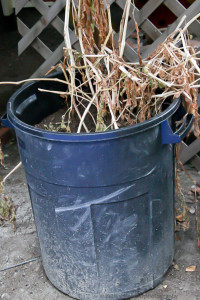
Container potatoes

You’ll want to start your plants after all danger of frost has passed. I live in the Seattle and the climate is somewhat mild, so St. Patrick’s Day is when I plant. Yes, I admit there’s a twisted irony to planting potatoes on St. Paddy’s because, well, there was that potato famine. But for me it’s a good reminder: St. Paddy’s—->Irish potato famine—>plant potatoes.

Want to try it? Start with seed potatoes, not the leftovers from Sunday’s dinner. You can buy them at most garden stores and they are preferred because there is less chance of disease (again see Potato Famine).

Select a potato variety that works with your growing season. There are three basic categories: early, mid and late season.  You can find suggestions on which varieties to try, based on your growing season, in this great article about potato varieties. This year I’m growing Germain Butterballs and Ozettes. German Butterball potatoes are tender and, like their name, buttery. The flavorful, but lumpy, Ozette potato is our local star. Brought to the Pacific Northwest from Peru by Spanish galleons. Even if they won’t win any awards for beauty, I love their rich, nutty flavor!

Small seed potatoes can be planted whole, but cut larger ones into 2-inch pieces, making sure there are several eyes on each piece. Plant the pieces in your container-of-choice by placing them about 5-7 inches apart on about 4-inches of  free-draining soil mixture with a small handful of fertilizer added in.

Cover your potatoes with more soil and then, after the plants grow about 6-inches, continue to cover the them until you reach the top of your container. You have to do this somewhat carefully, in my opinion, so as not to break the newly growing plants. You’ll want to keep your plants watered but don’t over-water lest you end up with soggy plants. Also, be sure to cut or drill holes for drainage into your container if it didn’t ‘t come with drainage holes to begin with.

For best results, place your container where the plants will get six to eight hours of light and temperatures of around 60 degrees Fahrenheit. You’ll know it’s time to harvest when your plants flower and then turn yellow. You can also remove new potatoes before flowering. Once the stems turn yellow, stop watering and wait a week.

Yellow and dry potato plants

Dig out the potatoes or just dump the container and sort through the soil for the tubers. Brush dirt off the potatoes (but don’t wash them in water until you’re ready to eat them) and let them “cure” for two weeks in a cool, dark spot (like a basement). Our family has a great time at our annual “potato dumping.” We haul out a tarp and tip over the cans. It’s great fun for little kids to dig around in the dirt, collect and count their haul.

Potato harvesting

Important note: You can reuse potato soil in your garden, just NOT in vegetable beds (flowers and other plants are okay). This is because they are in the nightshade family (like tomatoes) and the spent soil is more likely to cause disease in other vegetables, if you use it again.

Container potatoes

Go forth–plant potatoes! And Happy St. Paddy’s.

It’s all about the journey,

Beth
Filed Under: Holiday Tagged With: potato, potatoes, St. Patrick's Day

366 Project: Four things I’ve learned during my second month

March 3, 2016 by Beth Shepherd

I’m two months into my 366 Project. One photo each day, all year. Here are four things I’ve learned during my second month of this project.

February 2016 collage

I’m big on little things: I’ve always been a detail-oriented person (unless we’re talking about technology–see last month’s post), especially where visuals are involved. My eyes are drawn to tiny buds on a Clematis vine, the patterns made by a goose’s feathers. Looking back at the photos I’ve taken over the past two months, I notice there are a lot of close-ups. That or a big picture panoramas. Maybe I’m not much of a middle-ground gal?

Put a bird on it: Not a revelation, but still worth noting, 1/3 of my shots in January and nearly half of my shots in February are of birds or have a bird in the picture. One of the mamas in my Mamas with Cameras/365-52 Project Wonder Women commented, “You’re a bird whisperer.” I do love birds, so this may be true.

If it’s not in the air, it’s in the ground: Most of my photos are nature shots. I do manage to include a few photos each month of my sweet cats and my spirited daughter, but for the most part I’m a nature girl. It doesn’t seem to matter whether the flowers and plants are living or dead. I’m fascinated by them all.

I’m eclectic: Sounds better than unfocused or all-over-the-board, doesn’t it? Black and white, intense color, dreamy and diffuse, high definition, close-up, far away. I suppose that’s what this project is all about: experimenting, practicing…and finding my photographic self along the way.

Thanks again to my virtual 365project.org friends. And Mamas with Cameras, 365/52 Project Wonder Women–you mamas are the bomb!

It’s all about the journey,

Beth

Filed Under: Photography Tagged With: 366 Project

Happy Leap Year

March 1, 2016 by Beth Shepherd

In 2012, the last Leap Year, our daughter lived in another country. Her home was an orphanage. She was nine months old. She wasn’t walking.

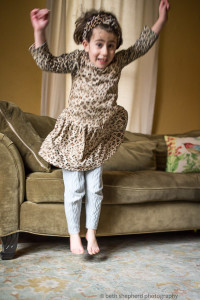
Flash forward four years. Our daughter is a U.S. citizen. Her home has a mama, a dada and two cats. She is almost five years old. She walks, talks…and leaps.

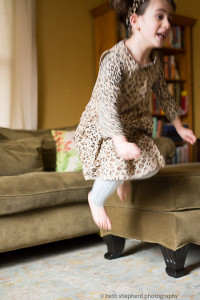
In honor of Leap Day 2016, what’s a girl to do? Practice leaping, of course.

Happy Leap Year!

Leap Year

jump

more jumping

Feet off the ground

jump high

It’s all about the journey,

Beth
Filed Under: Family, Holiday

  • « Previous Page
  • 1
  • …
  • 4
  • 5
  • 6
  • 7
  • 8
  • …
  • 70
  • Next Page »

Some might fend off a mid-life crisis by leaving the comforts of their corporate salary to jet off to a deserted island. Others might buy a Jaguar. I’ve chosen to dive head-long into my 50s and beyond by becoming a first-time parent. At any given moment you might find me holding a camera, a spade, a spatula or a suitcase. Or my little girl's hand. Adopted from Armenia, she puts the Pampers and Paklava into my life.

Subscribe to Blog via Email

Enter your email address to subscribe to this blog and receive notifications of new posts by email.

Recent Posts

  • Ghosts and goblins of Halloweens past
  • Raise a glass—or ten
  • No me without her: A life before motherhood
  • Leaving the orphanage with a priceless pair of tights
  • Rock of ages: Celebrating five years together as a family

Tags

366 Project Adoption anniversary Armenia autumn Bainbridge Island Baja Birds birthday blog cat cats chickadee China Christmas fall ferry flowers France Garden Gyumri Halloween Hawaii Holiday ice cream Kauai leaves London Mamas with Cameras Mexico Mother's Day Mt. Rainier New York orphanage Paris Puget Sound robin Seattle taxi Thanksgiving Tibet USCIS Valentine's Day wedding Yerevan

Categories

  • Adoption
  • Armenia
  • Family
  • Food
  • Friendship
  • Garden
  • Holiday
  • Miscellaneous
  • Paris
  • Photography
  • Recipes
  • Review
  • Seattle
  • Things to do with kids
  • Travel

Sites I like

  • The Wayfaring Voyager
  • Wanderlit
  • Wanderlust and Lipstick
follow us in feedly

Image Copyright

Unless specifically mentioned, all images on my blog are my own original photographs and, therefore, copyright protected (©Beth Shepherd). Feel free to use my images for non-commercial use so long as you provide me with the image credit. Likewise, if you pin my images to Pinterest, please mention me by name.

Copyright © 2026 · Pamperspaklava · WordPress Barista